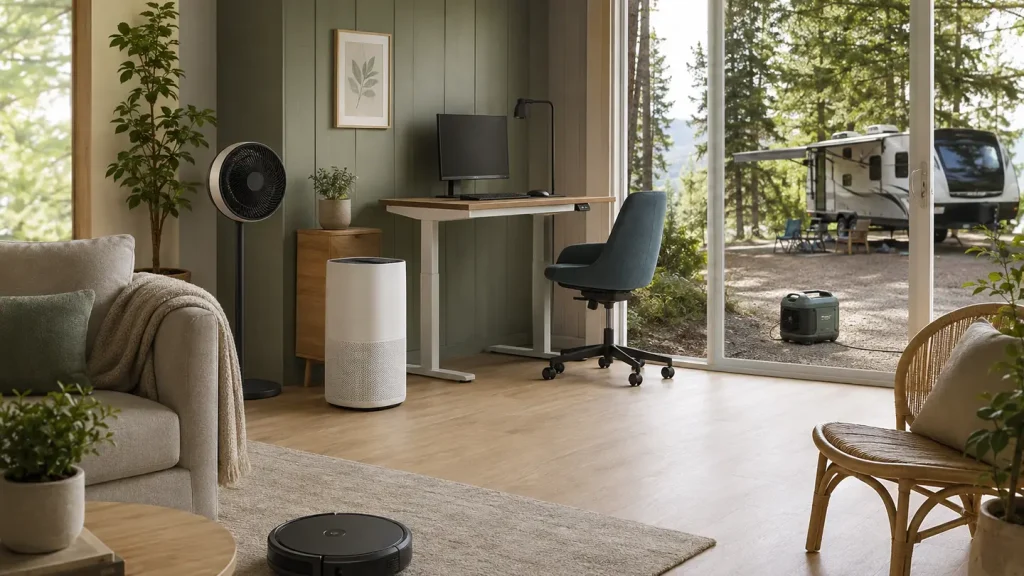
Find Quieter Products Without Sacrificing Performance
QuietTechReport helps you compare appliances, office equipment, generators and everyday technology based on noise, performance and real-world usefulness.
Explore evidence-based buying guides, product comparisons, troubleshooting advice and free calculators designed to help you make a more informed decision.
Where Do You Need Less Noise?
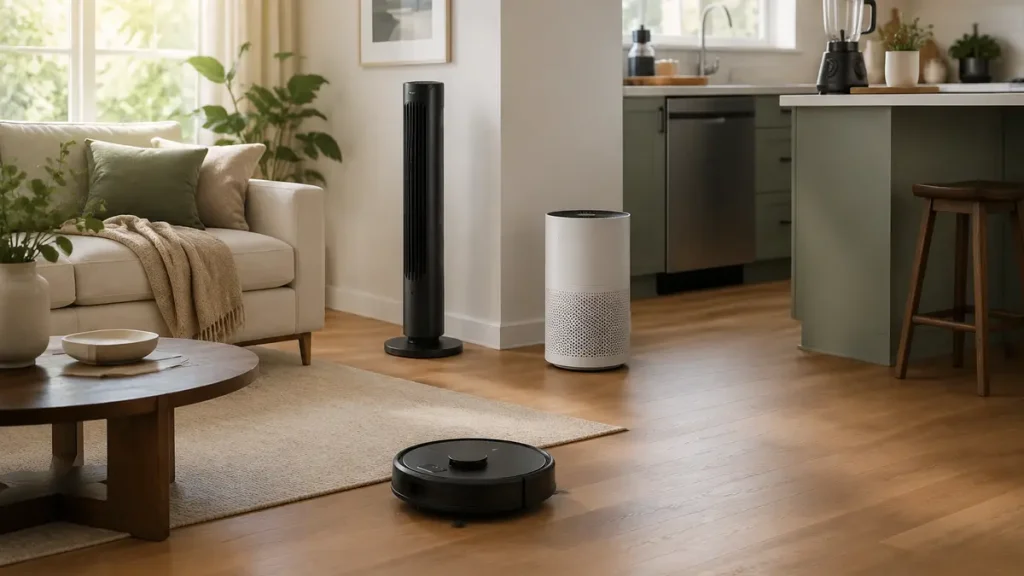
Quiet Home
Find quieter vacuums, robot vacuums, fans, air purifiers, kitchen appliances, laundry equipment and temperature-control products.
The Quiet Home hub organizes recommendations by product type and explains how motors, airflow, compressors, installation and room surfaces affect what you actually hear.
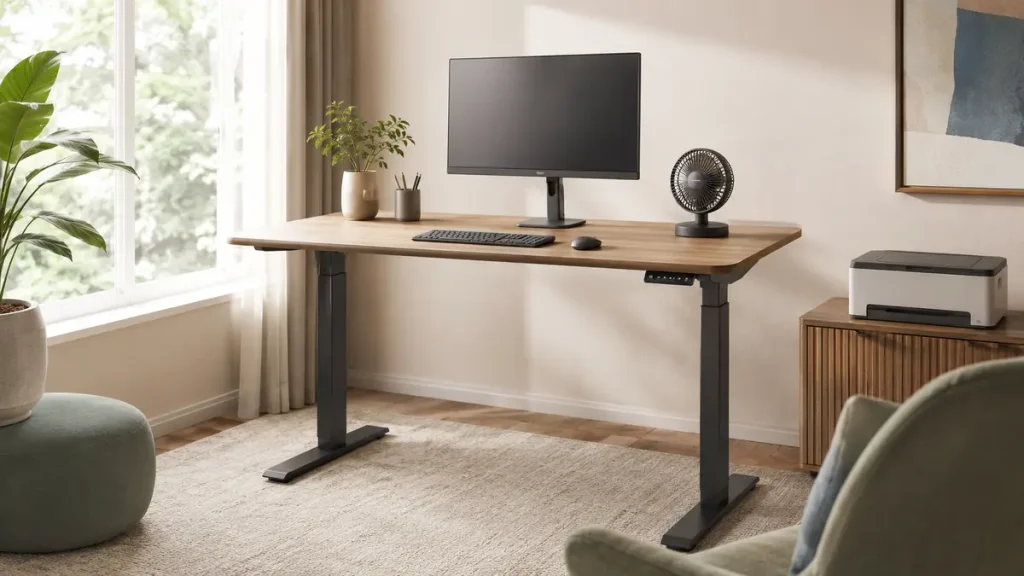
Quiet Office
Build a workspace with fewer distracting clicks, motor sounds, cooling fans and mechanical noises.
Compare quiet keyboards, silent mice, home-office printers, standing desks and other equipment for remote work, shared offices, studying and late-night use.
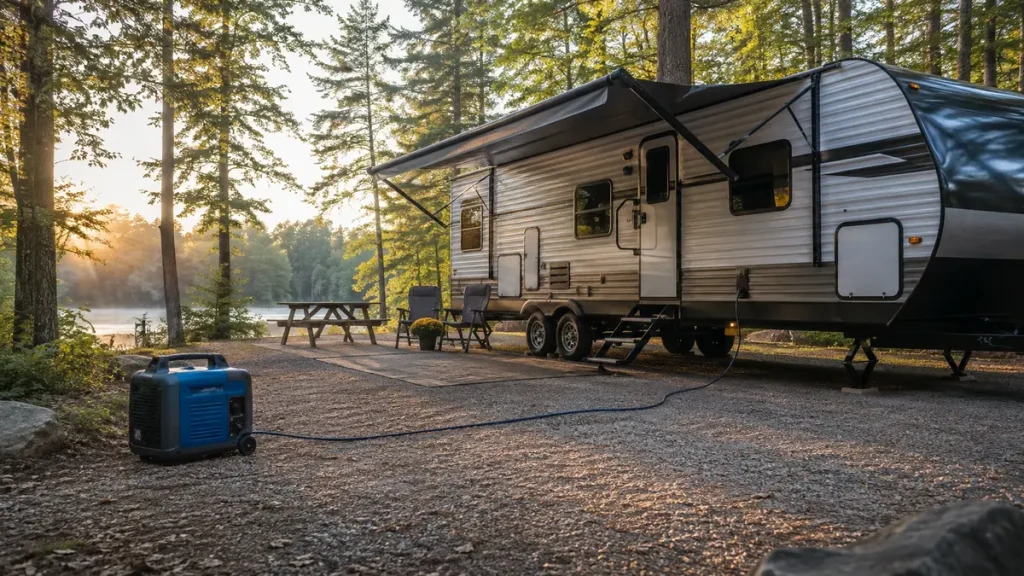
Generators & RV
Choose an inverter generator that provides enough power without accepting more engine noise, weight or fuel consumption than necessary.
Explore generator comparisons, RV air-conditioner sizing guidance, fuel and runtime information, altitude calculations and safe noise-reduction advice.
Browse Generator and RV Guides →
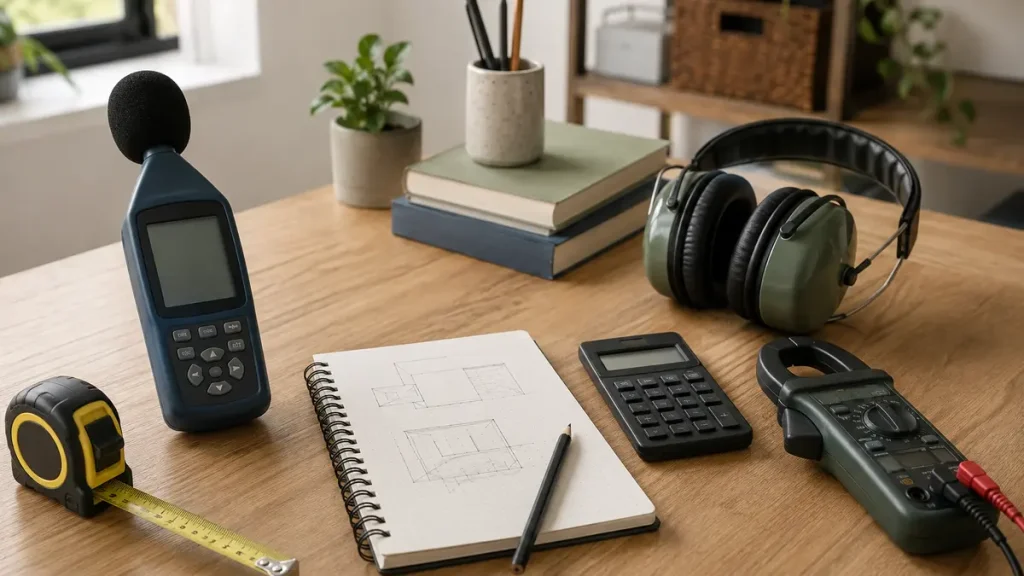
Tools & Guides
Use free calculators to estimate generator capacity, propane runtime, altitude-related power loss and standing-desk compatibility.
You will also find practical explanations of decibel ratings, unusual equipment sounds, vibration control and product specifications.
Free Calculators for Real-World Decisions
General recommendations cannot account for every RV appliance, campsite elevation, propane load or desk setup. These tools provide a more useful starting point using your own requirements.
RV Generator Wattage Calculator
Estimate the starting and running wattage required for your RV air conditioner, refrigerator, converter, microwave and other equipment while accounting for elevation.
Calculate RV Generator Wattage →
Propane Runtime Calculator
Estimate how long a generator may run from a 20-pound propane tank based on generator size and electrical load.
Generator Power Loss at Altitude Calculator
Estimate how elevation may reduce a portable generator’s usable output before relying on it at a high-altitude campsite or backup-power location.
Calculate Altitude Power Loss →
Generator Noise-at-a-Distance Calculator
Estimate how generator noise changes with distance and calculate the combined sound level from one or two generators.
Calculate Portable Power Station Runtime
Calculate usable battery energy and estimated runtime after accounting for connected loads, battery condition, reserve capacity and output losses.
Calculate Power Station Runtime →
Standing Desk Fit & Compatibility Calculator
Check desk height, desktop size, equipment weight and available room before purchasing a standing desk.
Check Standing Desk Compatibility →
Popular Places to Start
Best Quiet Robot Vacuums
Compare routine cleaning noise separately from the short but much louder sounds produced by self-emptying and mop-maintenance docks.
Best Quiet Fans for Sleeping
Compare different fan types based on overnight noise, airflow, speed control and suitability for different rooms.
Best Quiet Inverter Generators
Start with the main generator comparison for camping, RV use, portable power and selected home-backup loads.
Best Quiet Inverter Generators for RV Camping
Compare RV-ready generators based on starting power, continuous output, noise, weight, runtime and electrical connections.
Standing Desk Fit & Compatibility Calculator
Use your measurements, equipment and available space to determine whether a standing desk is likely to fit your setup.
Understanding Decibels for Home Appliances
Learn how to interpret dB and dBA ratings—and why numbers measured under different conditions should not be treated as controlled head-to-head results.
How QuietTechReport Evaluates Noise Claims
“Quiet,” “silent” and “whisper-quiet” are frequently used as marketing terms. QuietTechReport looks for more useful evidence.
Depending on the product and available information, research may include:
- Manufacturer specifications and operating manuals
- Published decibel ratings and stated measurement conditions
- Credible independent measurements and hands-on evaluations
- Differences between low, standard and maximum operating modes
- Short-duration sounds such as compressor startup or automatic dust emptying
- Owner reports that reveal recurring noise, vibration or reliability problems
- Performance, capacity, safety, usability and value—not noise alone
When products have not been physically tested by QuietTechReport, recommendations are based on the available published evidence rather than presented as firsthand testing.
Noise figures from different sources are also identified carefully when their measurement distances, operating modes or testing environments are not directly comparable.
Learn More About Our Research Process →
Quieter Is Only Better When the Product Still Does Its Job
A low decibel number does not automatically make a product the right choice.
A vacuum must clean the intended flooring. An air purifier must move enough air for the room. A standing desk must support the user and equipment. A generator must handle both continuous demand and starting surge.
QuietTechReport evaluates sound alongside the performance, capacity, installation requirements and operating conditions that determine whether a product will actually work for you.
Start Exploring Quiet-Tech Guides →
QuietTechReport may earn a commission from qualifying purchases made through links on the site, at no additional cost to you. Affiliate relationships do not change the price you pay or the standards used to evaluate products.