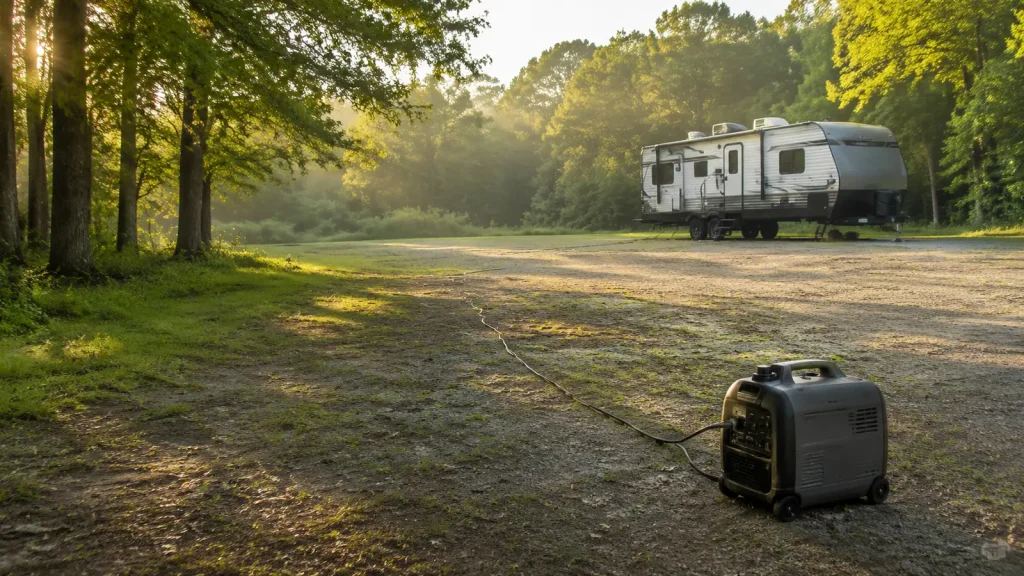
Portable generators can provide dependable power for camping, RV air conditioning and household outages without producing the harsh, constant sound associated with many conventional open-frame machines. Choosing the right generator still requires balancing noise with starting wattage, continuous output, fuel, portability and electrical connections.
Use this hub to compare quiet inverter generators, calculate RV power requirements and understand how load, elevation, fuel choice and air-conditioner startup affect real-world performance. You will also find model reviews, head-to-head comparisons and practical guidance for operating a generator safely.
Readers interested in battery-based backup power can visit our Portable Power Stations hub for buying guides, brand comparisons, sizing information and runtime tools.
QuietTechReport may earn a commission from qualifying purchases made through links on the guides below, at no additional cost to you.
Generator size affects portability, available power and the applications it can support.
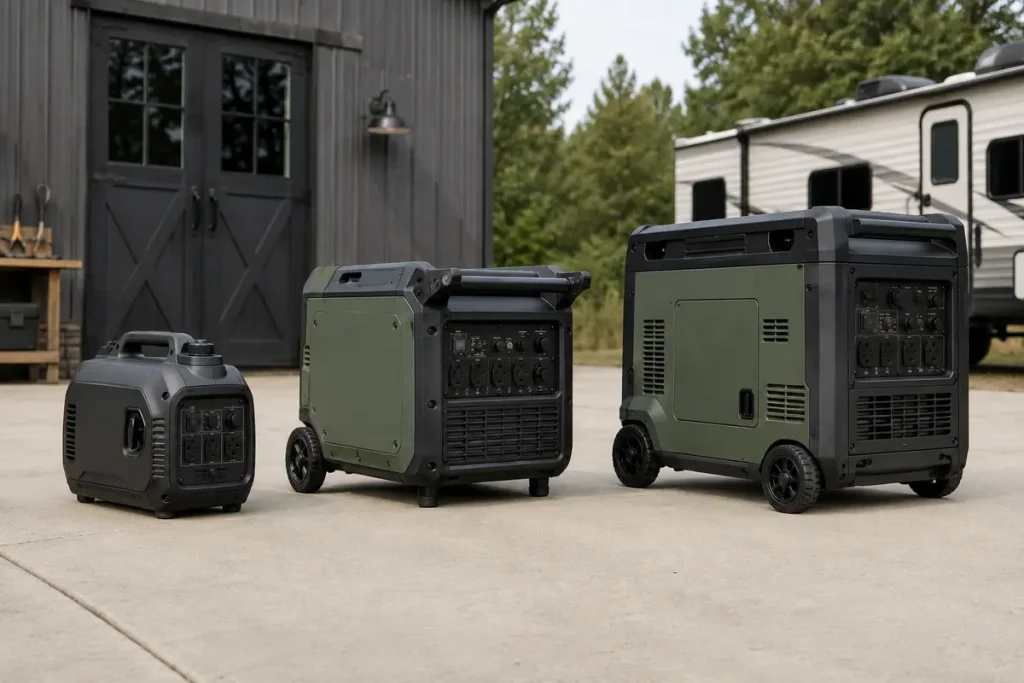
Quiet Inverter Generators
Quiet inverter generators range from lightweight camping models to RV-ready and home-backup machines. Visit our Quiet Inverter Generators hub for buying guides, individual reviews, product comparisons, noise information, fuel guidance and generator-planning tools.
Best Quiet Inverter Generators
Start with the main comparison of quiet inverter generators for camping, RV air conditioning, portable power and home backup.
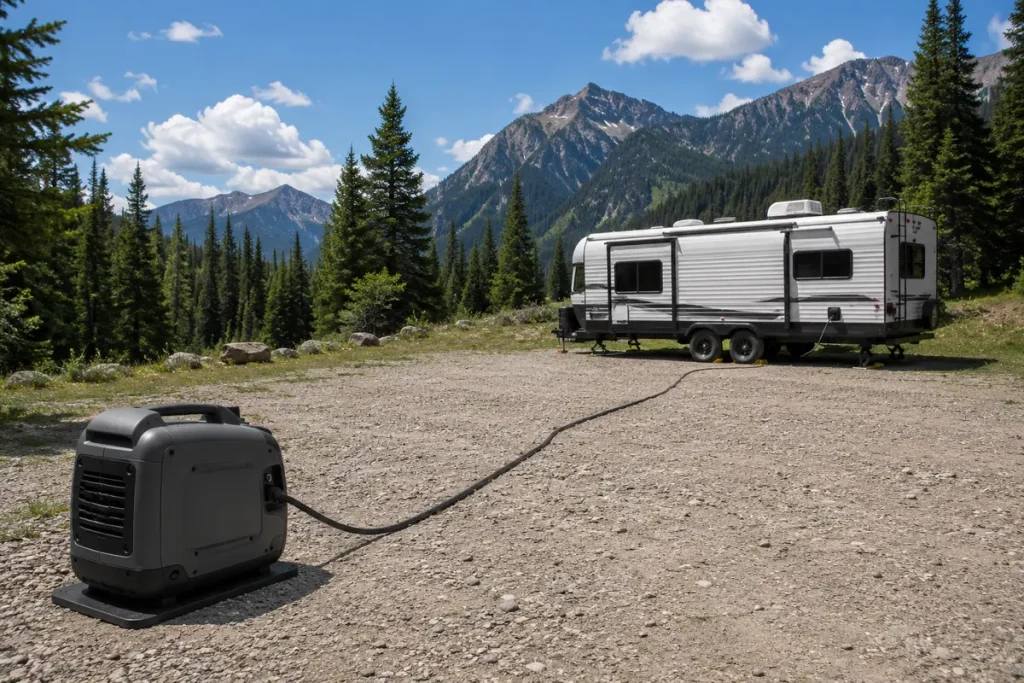
RV Power Planning
An RV’s maximum power demand often occurs when its air-conditioner compressor starts. Refrigerator cycling, converter charging, microwave use, elevation and outdoor temperature can all affect the capacity required.
RV Generator Wattage Calculator
Estimate your RV’s continuous electrical load and largest additional starting surge using the appliances you expect to operate.
Campsite Generator Planner: Noise, Fuel & Placement
Combine generator noise, campsite distance, electrical load, fuel runtime and placement into one printable camping plan.
What Size Generator Do You Need for an RV Air Conditioner?
Compare realistic generator requirements for 13,500 and 15,000 BTU RV air conditioners.
RV Air Conditioner Soft Start Guide
Learn how soft starters affect compressor startup demand and when installing one may improve generator compatibility.
Portable Power Stations
Portable power stations provide battery-based power for household outages, camping, CPAP machines, refrigeration, RV equipment and van life without a combustion engine. Choosing the right system requires balancing inverter output, battery capacity, runtime, charging options, carrying weight and cooling-fan noise.
Portable Power Stations: Reviews, Comparisons & Sizing Guides
Visit our complete portable power station hub for application-specific buying guides, brand comparisons, battery information, solar-charging guidance and tools for estimating capacity and runtime.
Portable Power Station Runtime Calculator
Estimate usable battery energy and runtime after accounting for connected loads, conversion losses, battery condition and the reserve capacity you want to maintain.
Generator-to-Power-Station Charging Planner
Estimate how long to charge a power station during permitted generator hours so its battery can cover overnight devices and retain a reserve.
Quiet Inverter Generator vs. Portable Power Station
Compare fuel-powered generators and battery power stations for noise, runtime, charging and emergency usefulness.
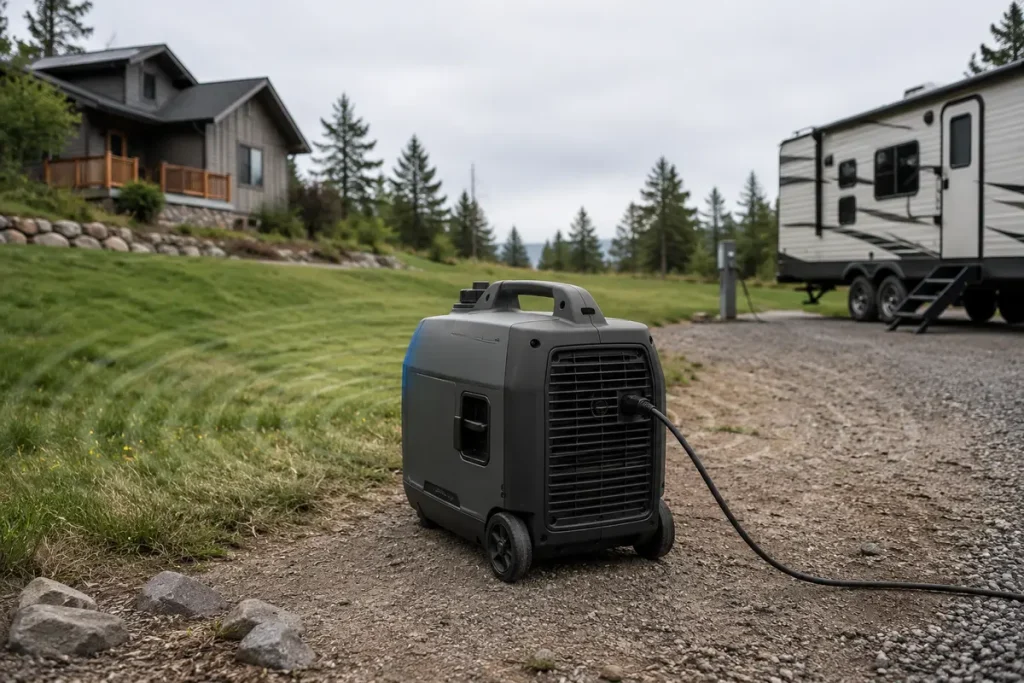
Generator Planning Tools
Use these tools to estimate how distance, fuel supply and elevation may affect generator operation before a camping trip or power outage.
- Generator Noise-at-a-Distance Calculator
- How Long Will a Generator Run on a 20-Pound Propane Tank?
- Generator Fuel Needed for an Outage — plan gasoline and refills for 24, 48, or 72 hours
- Generator Power Loss at Altitude Calculator
Choose Enough Power Without Accepting More Noise Than Necessary
The quietest generator is not automatically the right generator. It must still provide enough continuous output and starting capacity for the equipment you intend to operate.
Begin with the required loads, then compare noise evidence alongside fuel, portability, runtime, outlets and real-world operating conditions. That approach helps avoid both an unnecessarily large generator and a smaller model forced to run loudly near its maximum capacity.